
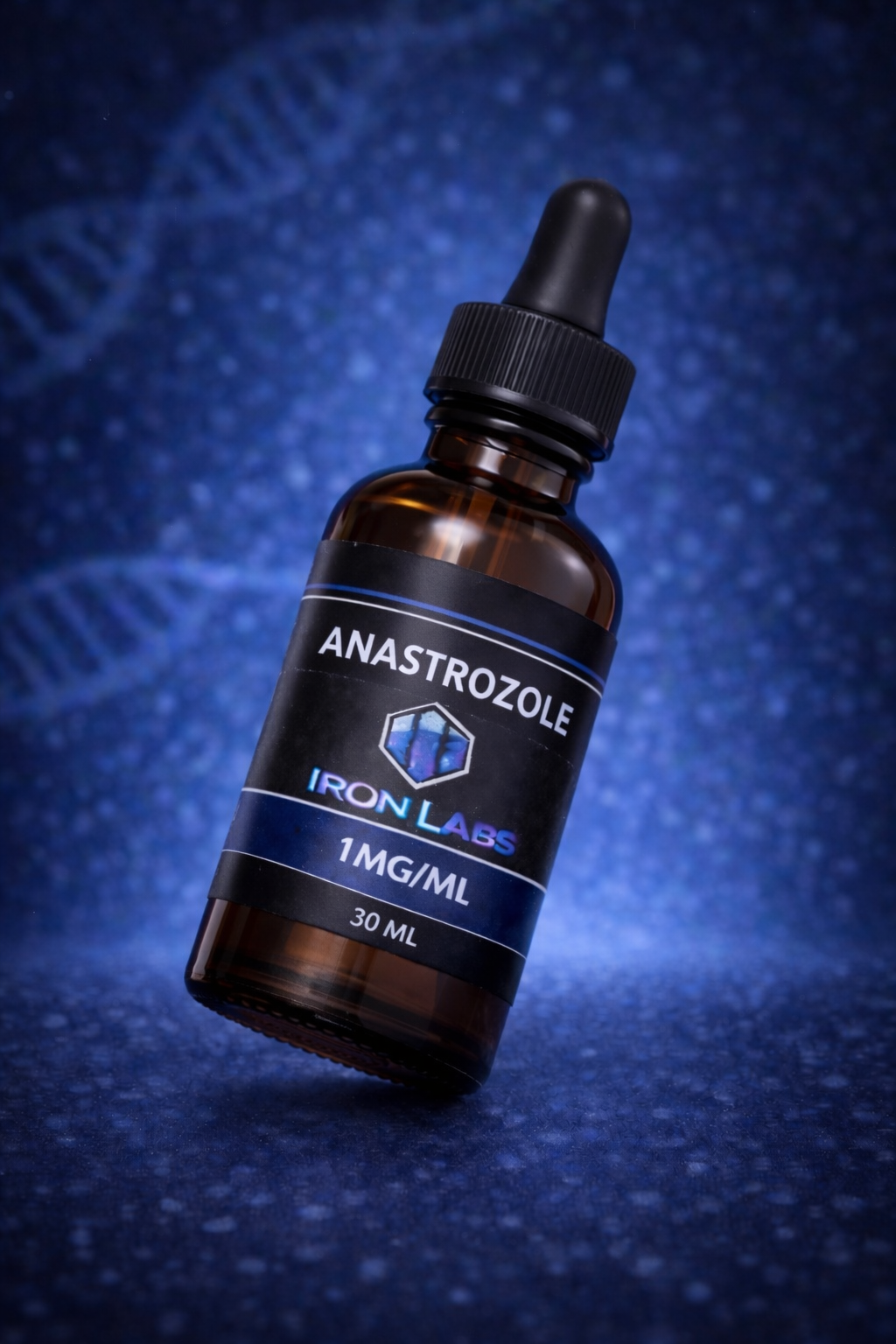
For research use only. All compounds referenced are research chemicals not approved by the FDA for human use. Not for human consumption.
This Anastrozole Research Overview examines Anastrozole, a non-steroidal aromatase inhibitor studied for its capacity to block the conversion of androgens to estrogens via the aromatase enzyme. Anastrozole is frequently referenced in endocrinology and hormone-related laboratory research examining estrogen synthesis pathways.
Anastrozole Research Overview: Background & Discovery
Anastrozole was developed as a selective, non-steroidal inhibitor of the aromatase enzyme, which catalyzes the final step in estrogen biosynthesis from androgen precursors. Laboratory interest in Anastrozole stems from its high selectivity and potency relative to earlier-generation aromatase inhibitors studied in endocrine research.
Research Areas & Mechanisms
This Anastrozole Research Overview highlights several mechanisms explored in laboratory research:
- Aromatase enzyme inhibition: In vitro studies have examined Anastrozole’s binding affinity for the aromatase enzyme active site.
- Estrogen synthesis pathways: Laboratory models have investigated downstream reductions in circulating estrogen levels following aromatase inhibition.
- Hormonal feedback research: Animal studies have explored how reduced estrogen synthesis affects broader hypothalamic-pituitary-gonadal axis signaling.
- Comparative endocrine research: Researchers have studied Anastrozole against other aromatase inhibitors to compare relative potency and selectivity profiles.
- Bone density research models: Some laboratory studies have examined the relationship between long-term aromatase inhibition and bone metabolism markers.
Across these research areas, Anastrozole is generally studied as a selective enzymatic inhibitor rather than a direct hormone receptor modulator.
Anastrozole vs. HCG in Research Context
Anastrozole and HCG are both frequently referenced in hormone-related research, but they act at very different points in endocrine signaling. HCG research centers on luteinizing hormone receptor activation and downstream steroidogenesis stimulation. Anastrozole research instead focuses on blocking the aromatase-mediated conversion of androgens to estrogens, making the two compounds common reference points in combined endocrine research protocols examining upstream stimulation versus downstream enzymatic regulation.
Laboratory Handling
Anastrozole is typically supplied in stable oral tablet or research-grade powder form and should be stored at room temperature in a sealed container protected from moisture and light, according to current supplier documentation. Researchers should consult the specific handling instructions provided with each batch.
Source Anastrozole from Iron Labs
Iron Labs Anastrozole is supplied with third-party COA documentation, including purity and identity confirmation, to support research reproducibility. Source Anastrozole for your research → Iron Labs Research Catalog
Frequently Referenced Research Questions
Is Anastrozole a peptide? No. Anastrozole is a small-molecule triazole compound, distinct from the peptide chains that make up most of the research catalog referenced in this library.
Why is Anastrozole studied alongside peptide hormone research? Researchers frequently reference it in combined protocols examining broader hormonal balance, particularly where estrogen conversion is a relevant variable alongside peptide-based interventions.
This Anastrozole Research Overview will be updated as new laboratory literature becomes available to support ongoing endocrine research.
Regulatory Notice
Anastrozole is not FDA-approved for any human or veterinary therapeutic application through Iron Labs. Iron Labs sells Anastrozole exclusively as a research chemical for use by qualified researchers and laboratories. No health, therapeutic, or cosmetic claims are made or implied. Background on aromatase inhibitor research is available via PubMed.
This Anastrozole Research Overview also notes that because aromatase activity varies across tissue types, researchers frequently pair systemic estrogen measurements with tissue-specific assays to build a more complete picture of local versus circulating hormonal effects in a given experimental model.